Best Doors from China for USA Buyers How to Choose?
When it comes to choosing the best doors from China for USA buyers, expertise is essential. John Smith, a renowned expert in the doors USA industry, has stated, "Selecting the right door involves understanding both aesthetics and functionality." Buyers often face challenges in balancing style and quality. The vast options can be overwhelming, leading to uncertainty in decision-making.
It's crucial to assess materials and designs carefully. Imported doors can vary significantly in safety, durability, and design standards compared to local products. While some doors may boast attractive prices, buyers should consider long-term value. Investing in high-quality doors from China can enhance energy efficiency and security for homes in the USA.
As buyers explore their options, it’s essential to reflect on their specific needs. Are you prioritizing style, or is security more important? Understanding these preferences will guide buyers in making informed choices. Ultimately, the right door can transform a space while providing safety and comfort.
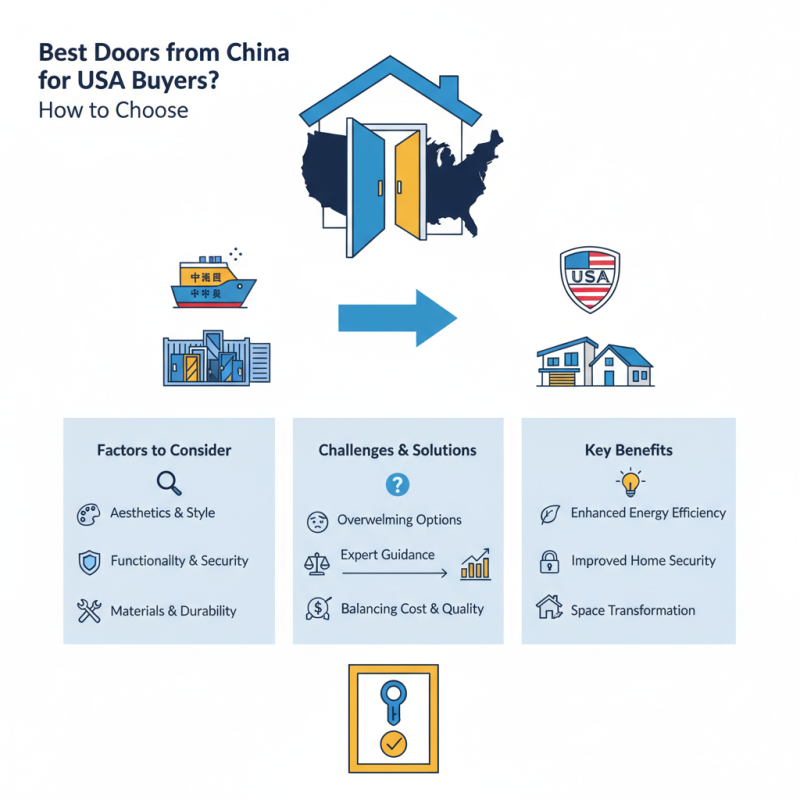
Factors to Consider When Choosing Doors from China
When selecting doors from China, several factors become essential for U.S. buyers. Quality is a primary concern. You should examine materials and craftsmanship. Sturdy doors enhance security and lifespan. Look for certifications that indicate compliance with U.S. standards.
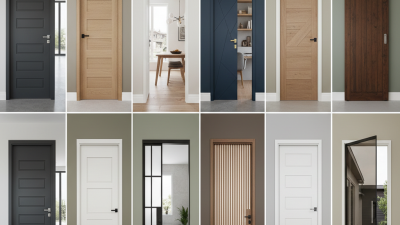
Another factor to consider is the design. China offers a variety of styles, from traditional to modern. Think about how the door complements your home’s aesthetic. Customization options can make a significant difference. Ensure the supplier can accommodate your specific needs.
Shipping logistics should not be overlooked. Understand the timelines and costs involved. Delays can impact project schedules. It might seem tempting to choose the cheapest option, but this could lead to future headaches. Weigh quality against price carefully. Understanding these aspects will help you make a more informed choice.
Types of Doors Available for USA Buyers from China
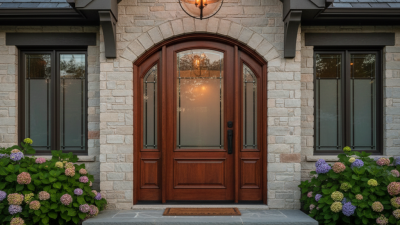
When considering doors from China, it's important to know the types available. Buyers can choose from various materials like wood, fiberglass, and steel. Wooden doors are often favored for their classic look and warmth. They can be customized easily. However, they may require more upkeep over time.
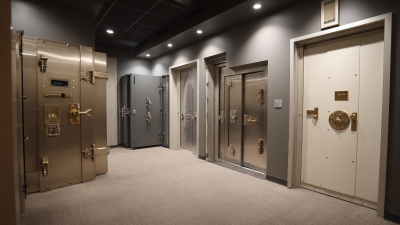
Fiberglass doors offer durability and insulation. They can mimic wood, providing an attractive option without the associated maintenance. Steel doors are sturdy and secure, perfect for feeling safe at home. Yet, they might not provide the same aesthetic appeal as wood or fiberglass.
Examining the design options is essential. Many manufacturers create traditional and modern styles. Some styles may not suit every home. You should also consider the climate. Different materials react to temperature and humidity variably. It’s crucial to match door types with regional weather patterns. Be wary of how these factors can affect your purchase over time.
Assessing Quality Standards for Imported Chinese Doors
When selecting doors from China, assessing quality standards is critical for USA buyers. It's essential to understand the manufacturing processes and compliance with safety regulations. Chinese manufacturers often produce doors to various standards, so buyers should be diligent. Inspecting certifications, like ISO and ANSI, can provide insights into the product's reliability.
Tips: Always request detailed specifications when evaluating doors. This includes materials, dimensions, and durability ratings. A thorough assessment can save time and money in the long run.
Don’t hesitate to ask for samples before commitment. Evaluating the physical product can reveal aspects that online descriptions sometimes neglect. Pay close attention to construction quality and finish.
In addition, consider the warranty offered by the manufacturer. A strong warranty demonstrates the company’s confidence in their products. However, if the warranty terms are vague, it may indicate potential hidden issues. Your investment deserves careful thought and scrutiny.
Understanding Shipping and Import Regulations for Door Purchases
When importing doors from China to the USA, understanding shipping and import regulations is crucial. The Harmonized Tariff Schedule (HTS) categorizes doors under various codes. Choosing the correct code impacts customs duties. For wooden doors, the duty rate could be around 3% to 5%, while steel doors may incur lower rates. Incorrect classification may lead to penalties or increased tariffs.
Import regulations also require compliance with safety standards. The American Society for Testing and Materials (ASTM) provides guidelines for door materials. Failure to meet these standards could result in product rejection at the border. Plus, the U.S. Customs and Border Protection (CBP) emphasizes accurate documentation to avoid shipment delays. Any discrepancies in paperwork can cause unwanted fees and additional inspections.
Shipping logistics are another aspect to consider. The average shipping time from China to the USA can vary, generally between 15 to 30 days for sea freight. During peak seasons, delays may occur due to high cargo volume. Ensure timely communication with suppliers to track shipment progress. Understanding these aspects helps buyers make informed decisions and avoid potential setbacks in their imports.