2026 Best Custom Private Label Shoes for Global Buyers?
As the demand for Custom Private Label Shoes continues to rise, industry experts emphasize the importance of quality and brand identity. John Smith, a footwear manufacturing specialist, states, "Custom Private Label Shoes empower brands to create a unique footprint." This highlights how businesses can tailor products to fit their consumers' preferences.
In 2026, global buyers seek shoes that reflect individual style. Customization not only enhances product appeal but also builds customer loyalty. However, some brands struggle with finding the right manufacturers. It’s crucial to partner with reliable suppliers who understand market trends. Without this, the potential of Custom Private Label Shoes can feel wasted.
Designing effective custom shoes requires creativity and strategy. Buyers should reflect on what sets their brand apart. While unique designs are key, quality cannot be compromised. Each shoe must meet high standards to ensure customer satisfaction. In this evolving landscape, brands must continuously adapt and improve their offerings in Custom Private Label Shoes.
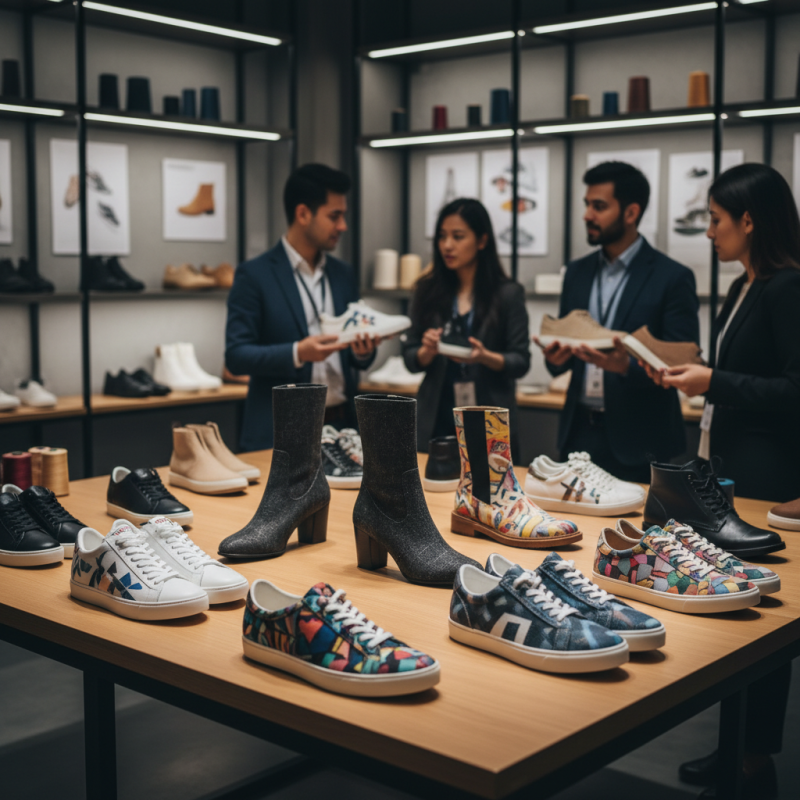
Overview of Private Label Shoes in the Global Market
The global market for private label shoes has witnessed significant growth in recent years. As more retailers seek to strengthen brand identity, custom private label options have become increasingly popular. According to a report by Grand View Research, the global footwear market, including private labels, is projected to reach $320 billion by 2026. This shift towards private label products offers retailers higher profit margins and greater control over supply chains.
In 2023, private label shoes accounted for nearly 25% of the total footwear sales in several developed markets. This trend suggests that consumers are becoming more open to alternatives to established brands. However, the challenge lies in ensuring consistent quality and appealing design. A recent survey indicated that about 43% of private label shoe buyers identified quality concerns as a significant factor affecting their purchasing decisions. Retailers must navigate these sentiments carefully, ensuring that they meet customer expectations without compromising affordability.
Customization is crucial in this competitive landscape. Buyers increasingly seek unique styles tailored to their market preferences. Reports show that nearly 60% of consumers appreciate having personalized options when it comes to footwear. Retailers who can balance quality, price, and design complexity may find themselves at a distinct advantage. Nonetheless, this approach requires ongoing refinement and attention to customer feedback, as consumer tastes continue to evolve rapidly.
2026 Best Custom Private Label Shoes for Global Buyers
Key Features to Look for in Custom Private Label Shoes
When searching for custom private label shoes, buyers need to focus on several key features. One important aspect is material quality. High-quality materials ensure durability and comfort. Eco-friendly materials are becoming more desirable. They not only appeal to customers but also reflect a brand's commitment to sustainability.
Another vital feature is design flexibility. A good customization process allows for various styles and sizes. It should accommodate different preferences and trends. Buyers should ask for samples to evaluate craftsmanship. Detailed stitching and consistent color are signs of reliability.
Additionally, consider the manufacturer's experience. A reputable manufacturer often has a strong portfolio. Looking into past collaborations can provide insights into their expertise. Fast turnaround times and responsive communication are also essential. Challenges often arise during production; therefore, a reliable partner should help navigate these. Balancing all these elements can lead to a successful custom shoe venture.
Top Manufacturers for Custom Private Label Shoes in 2026
In 2026, global buyers will seek standout manufacturers for custom private label shoes. The demand for unique and stylish footwear remains high. Buyers want to express individuality through their shoe choices. Manufacturers are adapting by offering a range of options, from materials to designs.
A key factor is the ability to customize. Manufacturers are now using advanced technologies. These technologies allow buyers to input specific designs and even materials. This personalized touch greatly enhances the appeal. However, some manufacturers may struggle with production timelines. Delays can occur due to quality control issues. Buyers need to be aware of potential setbacks.
Moreover, sustainability is becoming increasingly important. Many buyers prioritize eco-friendly practices. Companies that incorporate sustainable processes can stand out. It’s essential for manufacturers to remain transparent about their methods. This openness builds trust and credibility. Variability in supplier quality can pose risks. Buyers must conduct thorough research before partnering with manufacturers. The landscape of private label shoes continues to evolve, shaping exciting future trends.
Trends Shaping the Custom Shoe Market for Global Buyers
In 2026, custom private label shoes are set to reshape the global market. Buyers are increasingly seeking unique designs that reflect their personal styles. This trend is driven by a demand for individuality. People no longer want mass-produced footwear. They crave distinctiveness that tells their story. Brands must adapt to this shift.
Sustainability plays a crucial role in today's shoe market. Consumers are more eco-conscious than ever. They expect brands to use sustainable materials and ethical production processes. Those who fail to address these concerns may lose relevance. Additionally, technology will significantly impact customization. Advanced tools allow for personalized designs, enhancing buyer engagement. However, not all brands have the resources or expertise to implement these changes effectively.
Balancing creativity with production efficiency remains a challenge. Many brands struggle to offer both. Flawed designs or poorly executed concepts can harm a brand's reputation. Real-time feedback from buyers can help navigate this landscape. Brands must be willing to evolve and listen to their audience. A continuous learning approach is essential for staying competitive in this dynamic environment.
2026 Best Custom Private Label Shoes for Global Buyers
| Shoe Type | Material | Customization Options | Price Range (USD) | Target Market |
| Sneakers | Breathable Mesh | Color, Logo, Size | 50 - 100 | Millennials, Athletes |
| Dress Shoes | Genuine Leather | Finish, Sole Type | 80 - 150 | Professionals, Business |
| Sandals | Synthetic Leather | Design, Strap Colors | 30 - 70 | Casual Wearers, Beachgoers |
| High-top Shoes | Canvas | Print, Color, Height | 60 - 120 | Teens, Young Adults |
| Boots | Rubber, Leather | Height, Color, Lining | 100 - 200 | Outdoor Enthusiasts, Workers |
Strategies for Successfully Marketing Private Label Shoes Globally
When marketing private label shoes globally, understanding your target market is crucial. Research trends, preferences, and cultural nuances in different regions. Tailoring your designs to meet local tastes can significantly boost your brand's appeal. Consider local sourcing to maintain competitive pricing while ensuring quality.
Tips for effective global marketing:
- Leverage social media to showcase your unique shoe styles. Engage with followers through interactive content. Highlight user-generated content to build trust.
- Collaborate with local influencers. Their insights can provide valuable feedback and expand your reach. Yet, not all collaborations yield positive results. Choosing the right partners is vital.
- Consider eco-friendly materials and sustainable practices. Many consumers prioritize environmentally conscious brands. However, balance costs with sustainability, as it can affect profitability.
Global marketing requires constant adaptation. Track customer feedback to refine your strategies.
Success is often about trial and error. Embrace imperfection and learn from it.