Best Commercial Wood Doors for Your Business Needs?
When selecting the best commercial wood doors for your business, several factors come into play. The global wood door market is projected to reach $28 billion by 2027, highlighting the importance of quality and durability. Business owners need doors that withstand heavy use while providing aesthetic appeal. Commercial wood doors offer a perfect blend of style and functionality. However, not all options are created equal.
Quality wood doors can improve safety and energy efficiency. According to the American Wood Council, wood doors can reduce energy costs by up to 15%. This efficiency not only benefits the environment but also lowers operating costs for businesses. It is essential to consider material types, finish, and design when making a selection.
However, many companies often overlook key details. A door may look great but might not fulfill durability needs. Proper installation and maintenance are crucial for longevity. As such, investing in commercial wood doors requires careful thought. Without proper guidance, businesses may face costly replacements down the line.
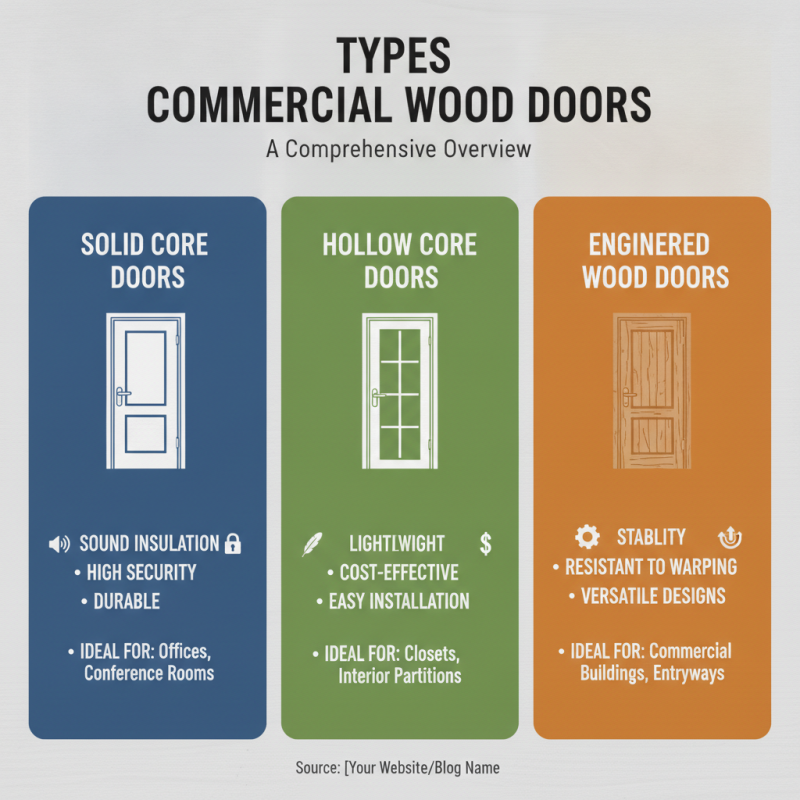
Types of Commercial Wood Doors: A Comprehensive Overview
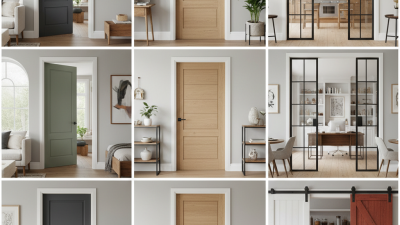
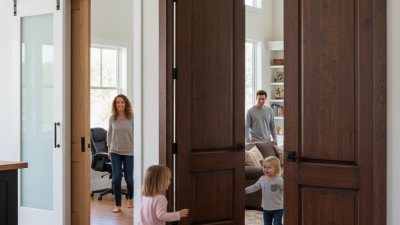
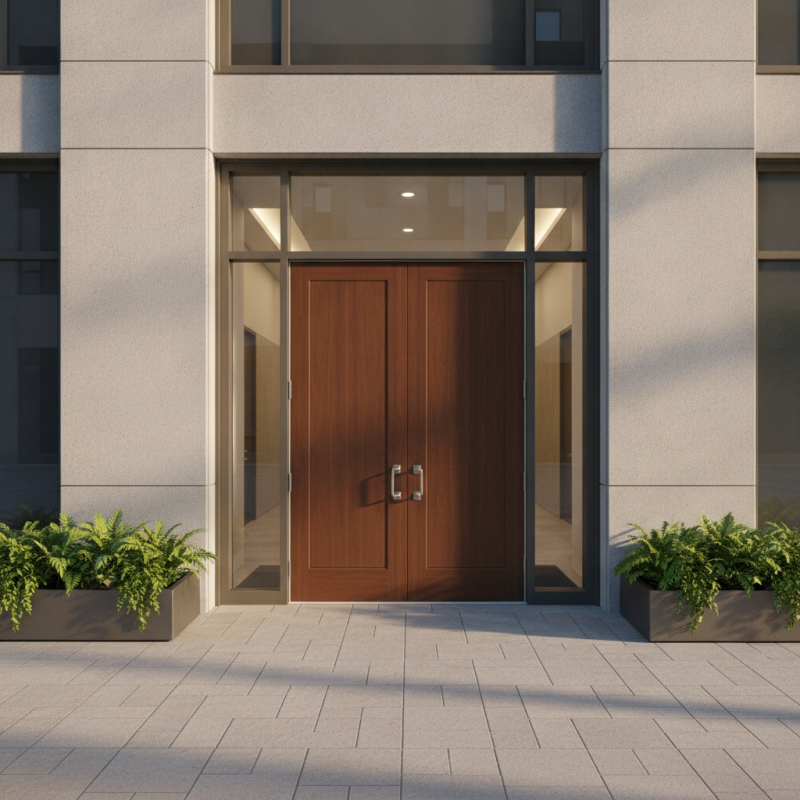
When selecting commercial wood doors, understanding the types available is crucial. These doors vary in design, material, and functionality. Common types include solid core, hollow core, and engineered wood doors. Solid core doors excel in providing sound insulation and security, making them ideal for offices and conference rooms.
Hollow core doors are lighter and more cost-effective, suitable for interior applications where privacy is less of a concern. Engineered wood doors offer versatility with their composite materials, allowing for unique finishes that can enhance aesthetics. Each type has strengths and weaknesses, so evaluating their suitability for your business is essential.
Choosing the right door can be challenging. Factors such as durability, maintenance, and appearance must be considered. Not all wood doors hold up well in high-traffic environments. Some may warp or scratch easily. Additionally, you will need to reflect on the door’s insulation properties against energy costs. Each option has its quirks, requiring thoughtful consideration to ensure it meets the specific needs of your space.
Key Features to Consider When Choosing Commercial Wood Doors
When selecting commercial wood doors, several key features emerge as crucial for ensuring durability and style. The type of wood used plays a significant role. Hardwoods like oak and maple provide strength. They stand up well to heavy traffic. Softwoods may be more affordable, but are often less durable. Color and finish also matter. Choosing the right stain can enhance aesthetics while protecting the wood.
Consider the door's thickness as well. A thicker door can improve insulation and soundproofing. This is important for businesses that require privacy. Hardware quality is another aspect not to overlook. Durable hinges and locks contribute to security and functionality. While some might opt for cheaper options, investing in quality hardware pays off in the long run.
Installation is a critical step, often overlooked. Proper installation affects performance and longevity. An improperly installed door may warp or fail over time. Regular maintenance is necessary, too; checking for signs of wear helps prevent future issues. Small cracks or chips can escalate if not addressed early. Taking the time to reflect on these elements ensures that you select the best wood doors for your business needs.
Best Wood Species for Durability and Aesthetic Appeal
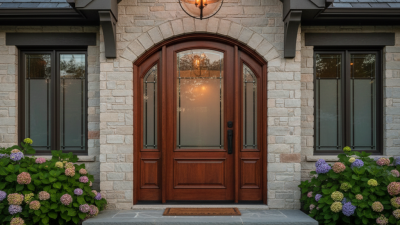
Choosing the right wood species for commercial doors is crucial. Durability and aesthetic appeal greatly influence customer perceptions. According to the American Hardwood Information Center, oak, maple, and cherry stand out as top choices. They offer excellent hardness, which ensures that doors withstand wear and tear.
Oak is particularly favored for its strength and prominent grain. It is resistant to dents and scratches. This makes it ideal for high-traffic areas.
Maple presents a light, consistent color, making it versatile for various design styles. It is slightly softer than oak but still performs well under pressure.
Cherry wood, on the other hand, adds warmth and richness. Its natural aging process enhances its beauty over time.
However, not all wood species are created equal. Environmental factors can affect the longevity of wood doors. Humidity and temperature fluctuations may cause warping and cracking. A study from the Wood Products Council highlights the importance of proper installation and maintenance. This aspect cannot be overlooked. Choosing wood for commercial doors is not just about looks. Consideration of durability and local climate is essential. Balancing aesthetic and functional needs often requires professional consultation.
Comparing Cost and Value of Different Commercial Wood Door Options
When selecting commercial wood doors, cost and value are crucial factors. Different wood types offer varying features and price points. Oak doors, for example, are sturdy but can be more expensive. Pine, on the other hand, is budget-friendly and lightweight but may not be as durable over time. It's essential to weigh the longevity against initial costs.
Consider installation as well. The installation process can significantly impact overall expenses. Hiring professionals ensures proper fitting, which prevents future issues. However, DIY installation might save money but can lead to mistakes. These errors may result in additional costs later on. Always factor in potential long-term repairs when deciding on your budget.
Tips: Choose wood doors based on traffic in your business. High-traffic areas need more robust options. Investing in quality now can prevent future headaches. Additionally, think about maintenance requirements. Some finishes require more upkeep than others. A low-maintenance option can save time and money in the long run.
Comparing Cost and Value of Different Commercial Wood Door Options
Installation and Maintenance Tips for Longevity of Wood Doors
When it comes to installing and maintaining commercial wood doors, attention to detail is crucial. Proper installation can enhance durability and appearance. Ensure the door frame is square and use high-quality hinges. Sealing gaps can protect against moisture and pests. However, even with careful installation, issues may arise. Misalignment can occur, leading to sticking or gaps.
Regular maintenance is essential for the longevity of wood doors. Periodically check for scratches or dents in the finish. Small damages can lead to bigger problems if not addressed. Sanding and refinishing might be necessary to preserve the wood. Furthermore, applying a protective sealant every few years will help resist environmental damage.
Observing changes in door performance can provide insight. If a door starts to warp, it could indicate humidity issues. Addressing these concerns early can save time and money. Remember that consistent upkeep requires effort. However, the result is a beautiful and functional door that endures.
Best Commercial Wood Doors for Your Business Needs
| Door Type |
Material |
Thickness (inches) |
Estimated Cost ($) |
Maintenance Tips |
| Solid Core Wood Door |
Oak |
1.75 |
300 - 500 |
Regular varnish and check for warping |
| Hollow Core Wood Door |
Pine |
1.375 |
200 - 350 |
Check hinges and repaint every few years |
| French Wood Door |
Maple |
1.75 |
400 - 600 |
Maintain sealants and hardware regularly |
| Commercial Entry Wood Door |
Teak |
2.0 |
700 - 1200 |
Polish and oil regularly for protection |