2026 Top Trends in Interior Doors You Need to Know
As we look toward 2026, the evolution of doors interior presents exciting trends. Today, doors are not merely functional; they are a significant design element. From bold colors to intricate patterns, they redefine spaces.
Innovative materials are gaining popularity. Designers are exploring eco-friendly options, along with traditional wood and sleek glass. The choice of door style affects the entire room’s atmosphere. Some may hesitate to experiment, fearing drastic changes. Yet, a new door can spark inspiration.
Ultimately, these trends prompt reflection. Are we limiting our creativity by sticking to conventional designs? Embracing these changes could enhance our living spaces and personal expression. Each door holds potential; will you open it?
Emerging Materials in Interior Door Design for 2026
In 2026, interior door design is set to embrace new materials that enhance both aesthetics and functionality. Emerging trends indicate a shift towards sustainable options, with a report from the American Institute of Architects noting that eco-friendly materials will dominate 35% of design choices. Bamboo and reclaimed wood are gaining traction. These materials not only reduce environmental impact but also offer unique textures and finishes.
Additionally, the use of metal elements in interior doors is becoming popular. Reports suggest that steel and aluminum are featured in 25% of new designs. These metals provide durability and a sleek, modern look. Yet, the challenge lies in balancing aesthetics with weight and functionality. Metals can be prone to dents and scratches, requiring thoughtful implementation.
Another interesting trend is the rise of composite materials. These can mimic the appearance of wood while offering better resistance to humidity and temperature changes. However, their production processes still need improvement. Consumers are increasingly aware of this issue, pushing for transparency in manufacturing practices. As the demand for innovation grows, it's essential for designers to consider not just style but sustainability and practicality in their choices.
Innovative Styles and Aesthetic Trends for Modern Interiors
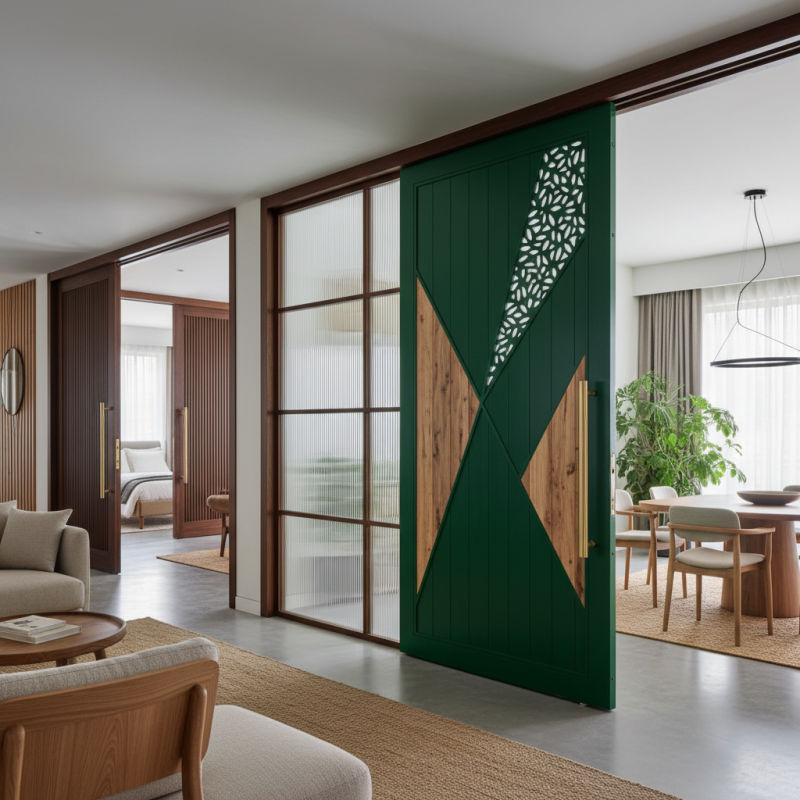
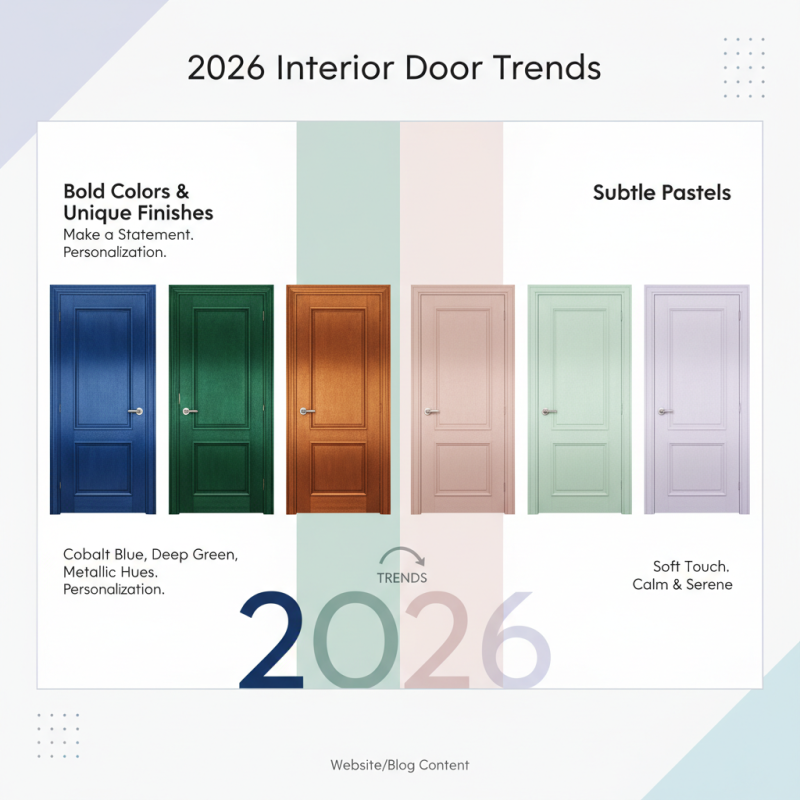
As interior design evolves, so do the styles of doors. In 2026, innovative aesthetics will dominate modern homes. Minimalism remains a strong theme. However, a touch of boldness is emerging. Think of doors with unique colors and textures. Matte finishes and bold hues can create a strong statement.
When selecting interior doors, consider the overall vibe of your space. The right door can complement your decor, or it can contrast in unexpected ways. A wooden door may evoke warmth, while a glass door brings lightness. These choices matter. They affect the flow and feel of a room.
**Tip:** Try mixing materials. A metal door paired with wooden frames can create a striking visual.
Incorporating patterns into doors is another trend to watch. Geometric shapes or even subtle carvings can enhance a simple door. Yet, be cautious—too much detail can overwhelm a room. Keep the balance in mind.
**Tip:** Use doors as focal points but ensure they fit your design theme. Overdoing it can lead to chaos in your space.
Explore the fusion of tradition and innovation. Your doors can tell a story. It’s about creating a space that feels uniquely yours.
Sustainability and Eco-Friendly Options in Interior Doors
In recent years, sustainability has become a priority in home design. Interior doors are no exception. Eco-friendly options are gaining traction. Many homeowners seek materials that are renewable and have a lower environmental impact. For example, reclaimed wood gives a unique look. It reduces waste and brings character to any space.
Choosing non-toxic finishes is essential. These options minimize harmful emissions. Look for doors made of sustainable materials like bamboo. Bamboo grows rapidly and is incredibly sturdy. It's a fantastic choice for eco-conscious homeowners.
**Tip:** Always check for certifications. Look for labels that guarantee sustainable sourcing.
Additionally, consider the manufacturing process. Some companies use less energy and eco-friendly practices. This can influence your decision significantly. A beautiful door should not compromise the planet’s health.
**Tip:** Research local options. Supporting local artisans can reduce transportation emissions. Plus, it often results in unique designs.
Embracing these trends can enhance your home. Your choices can reflect your values. Strive for a balance between beauty and sustainability.
2026 Top Trends in Interior Doors You Need to Know - Sustainability and Eco-Friendly Options in Interior Doors
| Trend |
Description |
Material |
Eco-Certification |
Estimated Cost |
| Reclaimed Wood Doors |
Doors made from repurposed wood offer unique aesthetics and are a sustainable choice. |
Reclaimed Wood |
FSC Certified |
$800 - $1500 |
| Bamboo Doors |
Durable and fast-growing, bamboo doors are an eco-friendly alternative that is stylish. |
Bamboo |
LEED Certified |
$500 - $1200 |
| Hemp Composite Doors |
Made from hemp fibers and resin, these doors are biodegradable and sustainable. |
Hemp Composite |
Cradle to Cradle Certified |
$600 - $1300 |
| Glass Interior Doors |
Energy-efficient glass doors maximize light while reducing energy costs. |
Tempered Glass |
Energy Star Rated |
$700 - $1400 |
| Eco-Friendly Finishes |
Use of non-toxic, low-VOC finishes on doors to improve indoor air quality. |
Various Materials |
Green Seal Certified |
$100 - $300 |
Smart Technology Integration in Interior Door Functionality
Smart technology integration is revolutionizing the way we think about interior doors. These advancements enhance both functionality and convenience in our daily lives. Imagine a door that can automatically unlock as you approach, using facial recognition or a smartphone app. This level of access control is becoming more common in modern homes.
While these innovations are impressive, there are challenges. Privacy concerns arise when using biometric data. What happens if the technology fails, leaving you locked out? In some cases, poorly designed interfaces can frustrate users rather than assist them. The balance between convenience and security is delicate.
Moreover, energy efficiency is another aspect to consider. Smart doors can be equipped with sensors to monitor temperature and adjust automatically. This feature can save on heating and cooling costs. Yet, the reliance on technology raises questions about potential outages. If the power goes out, will your door still function? As we embrace these technologies, it’s essential to reflect on their long-term implications for our homes and lifestyles.