Modular Capsule House Tips to Explore at the 139th Canton Fair?
The upcoming 139th Canton Fair presents a unique opportunity to explore innovative designs, particularly the Modular Capsule House. This concept emphasizes space efficiency, blending contemporary aesthetics with functionality. Attendees can discover how these small, prefabricated homes offer sustainable living solutions, ideal for urban environments.
While the Modular Capsule House showcases creativity, it's important to consider practical challenges. For instance, scaling these designs for larger families may hinder their appeal. Limited space can also restrict personalization, which homebuyers often desire. However, modular design encourages adaptability and customization, which can enhance homeowner satisfaction.
Additionally, the integration of advanced technology at the fair enhances the experience. Features like AI-driven navigation could streamline the exploration of various exhibitors. Buyers can efficiently locate suppliers of Modular Capsule Houses, elevating their chances of finding the right fit for unique needs. As we delve into this burgeoning market, reflecting on both the benefits and limitations of these homes remains crucial.
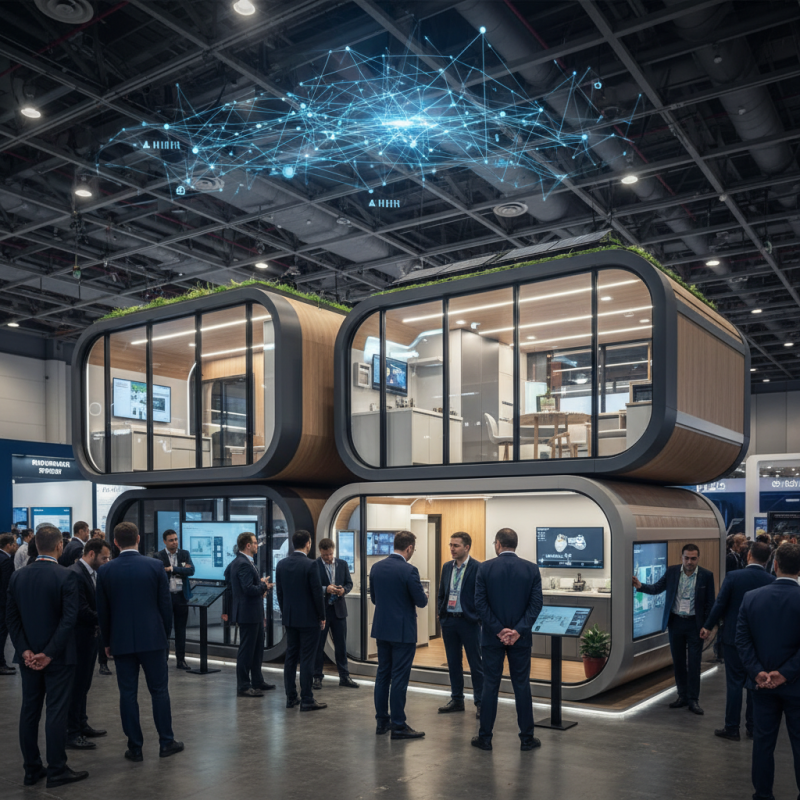
Modular Capsule House: An Overview of Innovative Design Trends
The modular capsule house is gaining attention in the world of innovative design. These compact living spaces provide a flexible solution for urban dwellers. Their streamlined form often integrates sustainable materials, which benefit the environment. The focus is on maximizing space while ensuring comfort.
Innovative design trends include multifunctional furniture and customizable layouts. Modular units can be easily assembled and disassembled, allowing for mobility. However, the challenge lies in the design's adaptability to various locations and climates. Some designs may overlook local cultural aspects, which can affect their acceptance.
These capsule homes often feature a minimalist aesthetic. However, this simplicity can lead to a lack of warmth. Homeowners may feel that stark designs don't reflect their personal style. Future designs should address these emotional elements while maintaining functionality. Balancing practicality with aesthetics remains a key area for improvement in modular living spaces.
The Rise of Modular Homes: Industry Growth Statistics and Projections
The modular homes industry is experiencing remarkable growth. Recent statistics show a significant increase in demand for these innovative structures. With urbanization and housing shortages, modular homes are becoming a practical solution. Projections indicate this trend is likely to continue in the coming years.
When exploring modular capsule houses at the Canton Fair, consider the design flexibility. Look for homes that can adapt to different needs. It's also essential to understand the materials used. Sustainable options are often more appealing and can reduce long-term costs.
Evaluate the space efficiency of modular designs. Some models maximize small areas cleverly. However, be mindful of personal preferences; not all designs may fit your lifestyle. A little research can help avoid mismatches. Ultimately, staying informed about the industry's evolution ensures better choices for your future home.
Benefits of Modular Capsule Houses: Cost-Effectiveness and Sustainability
Modular capsule houses are becoming popular for various reasons. One of the main benefits is cost-effectiveness. According to a recent industry report, modular construction can reduce building costs by up to 20%. This is largely due to shorter construction times and lower labor costs. The off-site building process minimizes waste. This efficiency can lead to significant savings for both builders and homeowners.
Sustainability is another key aspect. Modular capsule houses are designed with environmentally friendly materials. Studies indicate that they generate 30% less waste compared to traditional building methods. In addition, they often feature energy-efficient systems. This means lower utility bills for residents. Incorporating renewable energy solutions further enhances their green credentials. However, not all modular designs meet these standards. It’s essential to do thorough research before choosing a design.
Space optimization is vital in capsule homes. Many designs maximize functionality in limited areas. This approach minimizes the environmental impact of land use. Yet, living in such compact spaces requires careful planning. Some may find it challenging to adjust. Balancing comfort and efficiency in small modules can be difficult. It's an aspect that requires reflection as trends evolve.
Modular Capsule House Tips to Explore at the 139th Canton Fair
| Feature | Description | Benefits |
| Cost-Effectiveness | Modular capsule houses are prefabricated, reducing construction time and labor costs. | Lower overall investment and quicker return on investment. |
| Sustainability | Built with eco-friendly materials and energy-efficient designs. | Reduced carbon footprint and minimal environmental impact. |
| Space Efficiency | Compact design maximizes living space in a small footprint. | Ideal for urban living where space is limited. |
| Flexibility | Can be easily expanded or reconfigured to meet changing needs. | Adapts to various lifestyle and family changes over time. |
| Mobility | Lightweight and transportable, enabling relocation without major issues. | Perfect for transient lifestyles or temporary accommodations. |
| Low Maintenance | Durable materials and simplified designs lead to lower maintenance requirements. | Cost savings on upkeep and repairs over time. |
Key Features of Capsule Homes: Space Optimization and Multifunctionality
Capsule homes are making waves in the housing sector. They are ideal for urban settings. The concept focuses on space optimization. Many urban dwellers live in small apartments. According to a report by the World Economic Forum, global urbanization will reach 68% by 2050. This increasing density leads to innovative housing solutions.
Capsule homes utilize every inch wisely. They come with multifunctional furniture. A bed can transform into a workspace. Tables can fold away when not in use. This approach leads to less clutter. A study by the American Institute of Architects showed that multifunctional spaces improve overall happiness in homes. Yet, these designs may not suit everyone's style.
When exploring modular capsule homes, consider the following tips. Focus on flexibility. Choose designs that adapt to your needs. Look for sustainable materials. They are not just eco-friendly; they also add value. Assess the comfort level of the space. It is crucial to feel at home, even in a compact area.
Exploring Market Opportunities: Modular Housing Demand at Canton Fair 2025
The demand for modular housing is surging, particularly evident at trade events like the Canton Fair 2025. Industry reports indicate that the modular home market is expected to reach $157 billion by 2026, growing at a CAGR of 6.9%. This trend is driven by factors such as affordability and quick construction times. Many visitors at the Canton Fair are keen on exploring these aspects.
Elements like sustainability and efficiency resonate with a growing number of consumers. From compact designs to eco-friendly materials, modular homes cater to diverse preferences. However, the market presents challenges. Quality control is a concern as varying standards can affect consumer trust. Not every modular house is built the same. Some builders struggle with capacity, affecting delivery timelines.
Potential stakeholders are recognizing these hurdles. Opportunities exist for those willing to tackle them. Given the growing interest, discussions on innovation can lead to promising partnerships. The Canton Fair serves as a fertile ground. It’s more than a showcase; it’s a hub for significant networking and exploring new ideas. As the industry evolves, adaptability will be key.
Modular Housing Demand Trends at Canton Fair 2025
This chart illustrates the projected demand for modular housing based on market trends observed in recent years. The data represents the number of potential buyers expressed in thousands, showcasing a clear upward trend in demand as we approach 2025.